
Español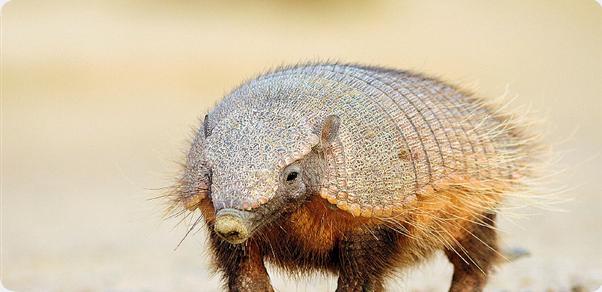
Your companion and guide is an experienced leader. All of our guides and those of our partners are Chilean and have worked in the area for a number of years. They are experienced, knowledgeable, safety conscious individuals who are passionate about what they do and who are very proud to share their wonderful country with visitors. With groups over a certain size, the guide will have an assistant and with camping groups of a certain size, he will also have a dedicated cook.
All our trips are escorted throughout unless otherwise detailed on your itinerary. Our camping trips are fully supported with meals being prepared for you and luggage being carried by pack horses, vehicles or porters (unless stated otherwise on your itinerary).
Our campsites are all chosen for their location and views. We try to avoid the high traffic areas and we are constantly striving to come up with new trip routes and ideas as new areas open up. Our philosophy is to offer locally run estancias and hotels where we can.
Due to the risk of fires, campfires are strictly monitored. They are prohibited at sites where fixed fire areas are not available. We are in complete support of this policy. On non-camping trips we select hotels, refugios and estancias based on their location, service and comfort. We are constantly monitoring these establishments to ensure our standards are met. Where this is not the case, we are prompt to act and alter our itinerary or trip recommendation.
On camping trips guests typically set up their own tents although with our dedicated team who love to surprise our clients, tents are often put up in advance when circumstances and timing allow.
Let us know if you require any special support or assistance in regard to the putting up of tents and we will organize this.
On camping and most lodge based trips, lunch items are laid out at breakfast and you make up your own sandwiches and lunch box for the trail.
Please note that it is a condition of booking that you have in place a suitable travel insurance policy and that this includes emergency evacuation in the event of an accident and repatriation. For trips that take place during high season we have a group Air Evacuation policy available that is provided for our clients. If you are in doubt about the cover provided please ask.
During your trip your driver will transport what we consider is a reasonable amount of luggage in the support vehicle, pack horses, boats etc. We cannot be responsible for any extra costs due to excessive luggage - or be held responsible for heavy or expensive photographic equipment. The Guide will make an assessment of the luggage during your trip briefing and if he/she feels there is an excessive amount, they will advise you and offer you alternatives (such as leaving some of it at our offices in Puerto Natales which we are very happy to do).
On some multi-day or camping trips (such as the Circuit and W hikes) the guide will provide waterproof expedition bags for repacking a small amount of clothing and personal effects. This enables your belongings to be packed comfortably, safely and drily onto the pack horses. If your trip includes porters, they will re-pack your luggage into back packs for carrying.
In these cases the rest of your luggage joins you later.
Most campsites used on our trips offer hot showers, bathrooms, some form of shelter or indoor dining and fire pits. This is usually specified on your itinerary so make sure and ask if you are unsure. Some of the camping, for example when kayaking down river from Torres del Paine, will be true ‘wilderness’ style camping with the only washing facilities being in a river or lake. In this case, the guide will provide instructions on bathroom etiquette.
Guests typically set up their own tents (see notes above).
Your sleeping bag should be 3 or 4 season and should be carried in an effective stuff sack. We can rent sleeping bags and mats to guests and you should indicate this at the time of booking. If you are renting a sleeping bag from us, we recommend you bring a sleeping bag inner (available in silk, cotton and fleece) for your comfort and hygiene.
NOTE: if you like to sleep on a nice, thick, padded Thermorest mat, we strongly advise you to bring your own as they are hard to get locally and our supplies are limited. The same goes for sleeping bags – we buy the best quality we can but if you especially feel the cold we would recommend you invest in a good bag which you bring with you. Please note that ear plugs are strongly recommended for light sleepers. On windy nights, the tent can get noisy (also recommended for refugio based trips).
Vegetarians can be well catered for and you should indicate your requirements at the time of booking (see notes above).
On trips in Torres del Paine a dining tent is carried for eating meals and cooking although sometimes we choose to eat in a camp ‘shelter’ or around the campfire (weather and fire regulations permitting). Please note that inside dining is normally available at the following campsites: Laguna Verde, Rio Serrano, Laguna Azul and anywhere a refugio is also present such as: Pehoe, Dickson, Cuernos, Las Torres, Grey etc.
Where possible, vehicle support is arranged. Supplies of bread, salad and fresh fruit are replenished.
On arrival at the campsite, wine and canapes are served giving you ample time to relax while the evening meal is being prepared.
All meals are included unless stated otherwise on your itinerary. Wine is also included (generous though necessarily limited supplies). Meals in Punta Arenas and lunches in Natales on transfer days are generally not included.
A dedicated, professional cook is provided on groups of a certain size (varies according to the actual trip). We reserve the right to eat in the refugios with small groups of 2-3 clients and during the Circuit and W hikes where it is not always permitted to put up dining tents and provide a cook.
Packed lunches will either be prepared by you at breakfast (on BlueGreen supported trips) or the hotel or refugio will provide you with a made up packed lunch. These usually consist of sandwiches (tuna, cheese, salami, ham, peanut butter etc), fresh fruit, nuts and snacks and biscuits/chocolate. The restaurants in the refugios offer a lively atmosphere and wholesome food. However, the quality can vary depending on the number of people in the refugio, the staff on duty, the date of the last food delivery, the weather and the functioning of the generator! Please make sure your expectations are managed in regard to this. Vegetarian options are also available.
Breakfast in Chile is usually not a cooked meal and will include toast, coffee, cereal, ham/cheese, bread rolls and juice. In larger hotels and som eestancias, eggs are sometimes prepared.
We have been organizing trips for families with young children for many years. Preparation in terms of clothing is very important. For Patagonia, we advise layering to ensure children stay warm during sightseeing and activity days. Thermal vests close to the skin are a good idea combined with light weight synthentic tops which breathe and do not stay damp in case of more exertion. A zip-up fleece is the final layer and this can be tied around the child’s waist if they get too warm. In the event of rain, a gortex waterproof jacket can be worn over the top together with waterproof trousers (the latter are essential for camping or multi-day hiking trips). Woollen or fleece hats, a scarf or snug, gloves and warm socks are also required together with a peaked hat to keep the sun off (the sun is very strong in the south). Good sturdy walking shoes that have been worn-in prior to arrival are worth investing in together with a second pair of sandals or shoes for lounging around in the hotels or campsite. Jogging pants and sweatshirts are also good for this.
In terms of travelling, car seats and booster seats are not available locally so to ensure safety and comfort for your young children we advise you to bring these with you if required. Strollers are not practical and as most of our family trips are vehicle-supported we do not advise bringing them. A child-carrying back pack however is a great idea for hiking trips. For very young children, please contact us prior to travel if you have any concerns.
Refugio accommodation is in dormitories which sleep between 6-8 guests depending on the location. During the high season it is very difficult to secure private rooms although this is occasionally possible in special circumstances. You should also note that the dormitory rooms will be mixed with males and females. There are no segregated rooms in the majority of cases so if you are uncomfortable with this, please let us know and we will arrange camping or an alternative itinerary.
We recommend packing ear plugs for refugio-based trips.
Our family itineraries are usually vehicle supported throughout which builds in flexibility for each day depending on how everybody feels.
The most challenging multi-day hike in the area is the Circuit hike. On this trip, a two-day hike over the Pass calls for greater fitness and stamina.
In an attempt to minimize the luggage carried by porters over the pass on this trip we include meals in the refugio at Los Perros and Grey, please refer to the detailed itinerary for your particular trip and if you are joining the Circuit, you will be sent an information document with further details.
Please note that in the event of bad weather on the river, the itinerary might be subject to last minute alterations. The same goes for any boat trips such as the whale watching and glacier trips arranged in the Magellan Straits.
The pace of the ride will be adjusted by the guide to suit the majority of riders but as we always travel with more than one horseman, there is flexibility and riders soon find their own pace for the trip. Riders are not responsible for grooming or tack. Horses are constantly checked for injury and/or lameness and tiredness. The weight limit for riding trips is 210 pounds unless by prior agreement. All clients participating in horse riding during their trip will be required to read our Riding Safety Briefing prior to travel.
Distances vary between 20 and 40 kilometres in a day on the multi-day scheduled riding trips. Riders on these trips need to be experienced – as a general rule, you should be able to control a horse on open ground at the canter and be used to riding outside in open spaces.
On custom and family trips riding is suitable for beginners and the pace is kept slow and is set according to the preference and experience of the group.
* Passport (check expiry date)
* Money (debit /credit cards - note some banks require advance notice of travel)
* Local currency (US Dollars can be easily exchanged in Chile, Euros or Sterling much harder)
* Airline tickets or booking codes
Emergency phone numbers for your travel insurance, local operator and booking agent
Your Final Trip Confirmation for your trip (provided by us prior to travel)
Charger for phone and/or camera. You should also ensure your phone is unlocked if you plan on buying a local SIM card on arrival
Bring a day pack for your personal items while hiking (camera, water bottle etc)
Luggage tags so your bag is easily recognizable
A few lightweight, easily washable items (layering is always best):
T-shirts and long-sleeved tops
Breathable (wicking) under layer or thermal vest
Long sleeved tees or shirts, always choose a synthentic layer close to the skin
Midweight fleece or wool sweater
Midweight fleece or sweat pants
Shorts for warmer days (summer)
Hiking pants, lightweight, synthetic and loose fitting (those that convert to shorts can be useful in summer months)
Underwear and personal items
Hiking socks and liners are good to help prevent blisters
Cotton socks for traveling etc
Set of thermals for cool nights
Scarf or neck warmer for windy days
Woollen or fleece hat for extra warmth (especially for camping or winter trips)
Sun hat or visor to protect from the sun
Waterproof, windproof (gortex is best) outer rain proof layer (full rain proof not just shower proof)
Waterproof trousers/pants (again gortex is best although can be expensive so not essential here)
Insulated warm jacket, down or similar is best and they pack up very small and light
Sturdy, well broken in, ankle supporting, waterproof hiking boots with good tread
Comfortable shoes for travel and around camp (very important for winter trips to have a second pair of shoes)
Warm fleece or nylon (quick drying) gloves
Camera with spare battery and a spare memory card and charger if required
Waterproof camera bag or plastic bags; for example, Ziplocs
Flashlight/torch with spare batteries (Maglite or similar). *In estancias and refugios, the generator gets turned off at night.
*Headlamp (essential for winter & camping trips)
Sunglasses and retainer strap
Sunscreen
Lip salve
Insect repellent
Small towel (camping trips)
Personal toiletries
Any personal medication
Travel plug adaptor (Chile uses a 2-pin 220 volt outlet so US appliances such as hairdryers will not work. Chargers for phones and other devices will need a plug adaptor) Spare contact lenses or glasses if necessary
Travel alarm clock
Small camping pillow (camping trips only)
Tissues
Binoculars
Ear plugs (if you are a light sleeper, recommended for refugios)
Gaiters (for hiking)
Swimsuit (for the hardy or if you are staying in the private cabins at Los Cuernos for the hot tub)
Light sticks (great for travel with kids)
Reading and writing material
Extra plastic bags (always seem to come in useful whether for muddy boots or trail mix)
If you are reliant on a phone as a camera a charging device to allow you to re-charge your phone with power is very useful
Pair of insulating quick drying riding gloves (or multi-purpose gloves if hiking)
Riding helmet: riders who do not wear a helmet do so at their own risk (we can normally provide these if required)
Thick socks
Riding boots (well broken in) or ankle high multi-purpose boots which work well when worn with half chaps and which can be comfortably worn for walking too
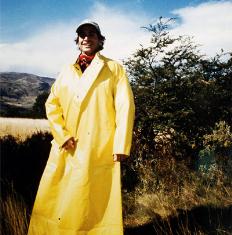
Waterproof and windproof jacket (gortex or other suitable fabric) with a hood and no leaks. Some clients wear Australian stock coats.
Waterproof trousers with under foot stirrup to prevent them from riding up the leg
Plastic bags for storing non-waterproof items such as camera, binoculars etc in the saddle bags which are made of tough hessian and which will not repel heavy rain
Armadillo or 'Pichi'
BlueGreen FAQ and Kit List
What can I expect during my trip to Patagonia?
Patagonia is a beautiful, wild and unpredictable part of our planet. It is best suited to lovers of the outdoors who are used to travelling in remote areas (and who have a keen sense of adventure and a flexible attitude). The rewards are plentiful and memorable. Your companion and guide is an experienced leader. All of our guides and those of our partners are Chilean and have worked in the area for a number of years. They are experienced, knowledgeable, safety conscious individuals who are passionate about what they do and who are very proud to share their wonderful country with visitors. With groups over a certain size, the guide will have an assistant and with camping groups of a certain size, he will also have a dedicated cook.
All our trips are escorted throughout unless otherwise detailed on your itinerary. Our camping trips are fully supported with meals being prepared for you and luggage being carried by pack horses, vehicles or porters (unless stated otherwise on your itinerary).
Our campsites are all chosen for their location and views. We try to avoid the high traffic areas and we are constantly striving to come up with new trip routes and ideas as new areas open up. Our philosophy is to offer locally run estancias and hotels where we can.
Due to the risk of fires, campfires are strictly monitored. They are prohibited at sites where fixed fire areas are not available. We are in complete support of this policy. On non-camping trips we select hotels, refugios and estancias based on their location, service and comfort. We are constantly monitoring these establishments to ensure our standards are met. Where this is not the case, we are prompt to act and alter our itinerary or trip recommendation.
On camping trips guests typically set up their own tents although with our dedicated team who love to surprise our clients, tents are often put up in advance when circumstances and timing allow.
Let us know if you require any special support or assistance in regard to the putting up of tents and we will organize this.
On camping and most lodge based trips, lunch items are laid out at breakfast and you make up your own sandwiches and lunch box for the trail.
What are the roads like in Torres del Paine?
The roads in Patagonia are varied. Most of the main routes are now paved but some are not and can be dusty and occasionally bumpy. In addition the distances between sites can be great. The road between Punta Arenas and Cerro Castillo is now fully paved. The new road between Puerto Natales and the Serrano River is not and this road if it is open shortens the journey time to that area considerably. In Argentina the road is paved between el Calafate and the Perito Moreno Glacier and on most of the main routes.
What sort of weather can I expect in Patagonia?
Torres del Paine has a milder and drier microclimate than the surrounding areas of Patagonia because of some unique geological features. The weather throughout Patagonia is however famously unpredictable and it is possible to experience four seasons in the course of a few hours! Average daily temperatures vary but in summer one can expect 10 - 20 degrees celsius with the occasional hot day of 25 degrees. Temperatures can drop to zero at night and high winds are common in the area.
Although you can never be sure of how Paine will treat its guests, we ask that you are prepared (both mentally and physically) for unpredictable and sometimes challenging weather conditions and that you pack accordingly. Good waterproofs (top to toe) are essential when joining a camping or multi-day hiking or riding trip.
See extra notes under suitability on each itinerary or refer to the extensive notes below on climate in the various parts of Chile.
What are the medical facilities like in Torres del Paine?
Our trips take us into some pristine wilderness areas. You should be aware that the Torres del Paine National Park is about a 4 - 6 hour drive from the nearest trauma care facility in Punta Arenas (4 hours if you are able to exit on the new road from the Serrano sector of the Park). There is a small hospital in Puerto Natales (3 hours) with 24-hour medical assistance that can deal with minor injuries and illnesses. In the rare event of there being an accident or broken bone, you would have to be taken out of the Park by whatever means necessary to join transport for the long drive out. Helicopters are available for emergencies but these cannot fly during high winds. All our leaders carry first aid supplies for dealing with minor injuries and incidents. If you have a medical condition or are taking any medication you should discuss this with us prior to travel. Please note that it is a condition of booking that you have in place a suitable travel insurance policy and that this includes emergency evacuation in the event of an accident and repatriation. For trips that take place during high season we have a group Air Evacuation policy available that is provided for our clients. If you are in doubt about the cover provided please ask.
Is there a luggage limit on my trip?
Please refer to any specific notes regarding your trip, for example the Circuit and W Hikes where stricter luggage limits are in place. During your trip your driver will transport what we consider is a reasonable amount of luggage in the support vehicle, pack horses, boats etc. We cannot be responsible for any extra costs due to excessive luggage - or be held responsible for heavy or expensive photographic equipment. The Guide will make an assessment of the luggage during your trip briefing and if he/she feels there is an excessive amount, they will advise you and offer you alternatives (such as leaving some of it at our offices in Puerto Natales which we are very happy to do).
On some multi-day or camping trips (such as the Circuit and W hikes) the guide will provide waterproof expedition bags for repacking a small amount of clothing and personal effects. This enables your belongings to be packed comfortably, safely and drily onto the pack horses. If your trip includes porters, they will re-pack your luggage into back packs for carrying.
In these cases the rest of your luggage joins you later.
I’m a vegetarian, is that OK?
We are happy to cater to vegetarians and those with food intolerances or allergies as long as we receive prior notice. If your trip involves stays in hotels or lodges, we will inform them of your requirements. On camping trips, we will inform the chef who will take this into account with the provisioning for the trip.
Please note that Patagonia is a culture largely founded on the farming of sheep. Meat, especially lamb, is a staple for most people living in the area. On group camping trips and estancia stays it is very likely the group will get to enjoy a lamb or meat asado (BBQ) during their trip. This typically Patagonian preparation of lamb involves cooking the meat over an open fire. What is the camping like?
We use comfortable small dome tents (usually North Face and Marmot) which are roomy, comfortable and able to withstand the sometimes high winds in the area. Accommodation is usually based on twin-share. Most campsites used on our trips offer hot showers, bathrooms, some form of shelter or indoor dining and fire pits. This is usually specified on your itinerary so make sure and ask if you are unsure. Some of the camping, for example when kayaking down river from Torres del Paine, will be true ‘wilderness’ style camping with the only washing facilities being in a river or lake. In this case, the guide will provide instructions on bathroom etiquette.
Guests typically set up their own tents (see notes above).
Your sleeping bag should be 3 or 4 season and should be carried in an effective stuff sack. We can rent sleeping bags and mats to guests and you should indicate this at the time of booking. If you are renting a sleeping bag from us, we recommend you bring a sleeping bag inner (available in silk, cotton and fleece) for your comfort and hygiene.
NOTE: if you like to sleep on a nice, thick, padded Thermorest mat, we strongly advise you to bring your own as they are hard to get locally and our supplies are limited. The same goes for sleeping bags – we buy the best quality we can but if you especially feel the cold we would recommend you invest in a good bag which you bring with you. Please note that ear plugs are strongly recommended for light sleepers. On windy nights, the tent can get noisy (also recommended for refugio based trips).
What sort of food can I expect on my camping trip?
Meals are varied and wholesome and include fresh salmon and local fish, pasta, chicken, beef, lamb and some local Chilean meals. Fresh salad is served every night. Local wine is served with dinner and all meals are prepared for guests. Packed lunches are usually prepared at breakfast and are carried with you. These consist of sandwiches (e.g. tuna, cheese, ham, peanut butter, salami), fresh fruit, trail mix, chocolate, biscuits, snacks etc. You are normally responsible for looking after your lunch boxes.
Breakfast is normally hot and cold cereals, toast, jams, marmalade, coffee, tea and juice. At times a cooked breakfast is served. Vegetarians can be well catered for and you should indicate your requirements at the time of booking (see notes above).
On trips in Torres del Paine a dining tent is carried for eating meals and cooking although sometimes we choose to eat in a camp ‘shelter’ or around the campfire (weather and fire regulations permitting). Please note that inside dining is normally available at the following campsites: Laguna Verde, Rio Serrano, Laguna Azul and anywhere a refugio is also present such as: Pehoe, Dickson, Cuernos, Las Torres, Grey etc.
Where possible, vehicle support is arranged. Supplies of bread, salad and fresh fruit are replenished.
On arrival at the campsite, wine and canapes are served giving you ample time to relax while the evening meal is being prepared.
All meals are included unless stated otherwise on your itinerary. Wine is also included (generous though necessarily limited supplies). Meals in Punta Arenas and lunches in Natales on transfer days are generally not included.
A dedicated, professional cook is provided on groups of a certain size (varies according to the actual trip). We reserve the right to eat in the refugios with small groups of 2-3 clients and during the Circuit and W hikes where it is not always permitted to put up dining tents and provide a cook.
What sort of food is served in the hotels?
Meals are usually eaten in the hotel restaurant. Food usually consists of lamb, beef, chicken or salmon with fresh vegetables or salad accompanied by rice or potatoes. Wine and beer is available at an extra charge. Packed lunches will either be prepared by you at breakfast (on BlueGreen supported trips) or the hotel or refugio will provide you with a made up packed lunch. These usually consist of sandwiches (tuna, cheese, salami, ham, peanut butter etc), fresh fruit, nuts and snacks and biscuits/chocolate. The restaurants in the refugios offer a lively atmosphere and wholesome food. However, the quality can vary depending on the number of people in the refugio, the staff on duty, the date of the last food delivery, the weather and the functioning of the generator! Please make sure your expectations are managed in regard to this. Vegetarian options are also available.
Breakfast in Chile is usually not a cooked meal and will include toast, coffee, cereal, ham/cheese, bread rolls and juice. In larger hotels and som eestancias, eggs are sometimes prepared.
I am traveling with young children, what should I bring?
See notes above on entry requirements for families travelling with children. We have been organizing trips for families with young children for many years. Preparation in terms of clothing is very important. For Patagonia, we advise layering to ensure children stay warm during sightseeing and activity days. Thermal vests close to the skin are a good idea combined with light weight synthentic tops which breathe and do not stay damp in case of more exertion. A zip-up fleece is the final layer and this can be tied around the child’s waist if they get too warm. In the event of rain, a gortex waterproof jacket can be worn over the top together with waterproof trousers (the latter are essential for camping or multi-day hiking trips). Woollen or fleece hats, a scarf or snug, gloves and warm socks are also required together with a peaked hat to keep the sun off (the sun is very strong in the south). Good sturdy walking shoes that have been worn-in prior to arrival are worth investing in together with a second pair of sandals or shoes for lounging around in the hotels or campsite. Jogging pants and sweatshirts are also good for this.
In terms of travelling, car seats and booster seats are not available locally so to ensure safety and comfort for your young children we advise you to bring these with you if required. Strollers are not practical and as most of our family trips are vehicle-supported we do not advise bringing them. A child-carrying back pack however is a great idea for hiking trips. For very young children, please contact us prior to travel if you have any concerns.
What is a refugio?
A refugio is a type of mountain cabin that sleeps guests in bunk-style accommodation. Usually made of wood they were built in the park for minimum environmental impact while ensuring guests had somewhere to sleep in remote areas. Horses or boats usually deliver supplies and they are generator powered between 7am and 11pm. Hot showers are usually available. Meals are served in the convivial dining area and packed lunches can be made up on request. Reservations are necessary during the high season. Most of them also offer camping and it is possible to eat in the refugio while using the campsites. We use a number of them on our trips. On the W, we tend to use Refugio Paine Grande, Refugio Los Cuernos (which offers private cabins), Refugio Las Torres, Refugio Grey and Refugio Chileno. On our riding trips and the Circuit Hike we use Refugio Dickson as it serves as a base from which to visit the beautiful Dickson Valley and Glacier. Refugio accommodation is in dormitories which sleep between 6-8 guests depending on the location. During the high season it is very difficult to secure private rooms although this is occasionally possible in special circumstances. You should also note that the dormitory rooms will be mixed with males and females. There are no segregated rooms in the majority of cases so if you are uncomfortable with this, please let us know and we will arrange camping or an alternative itinerary.
We recommend packing ear plugs for refugio-based trips.
What is the hiking like? How fit do I need to be?
The type of hiking depends on the specific itinerary but our trips usually include moderate to challenging hiking unless otherwise stated, for example our Lodge to Lodge hike offers moderate hikes with the option of more challenging hiking if required. Our family itineraries are usually vehicle supported throughout which builds in flexibility for each day depending on how everybody feels.
The most challenging multi-day hike in the area is the Circuit hike. On this trip, a two-day hike over the Pass calls for greater fitness and stamina.
In an attempt to minimize the luggage carried by porters over the pass on this trip we include meals in the refugio at Los Perros and Grey, please refer to the detailed itinerary for your particular trip and if you are joining the Circuit, you will be sent an information document with further details.
What can I expect with the kayaking?
The kayaking is essentially a downriver paddle but if there are high winds, you should expect to work quite hard on the river. No previous experience is necessary for the majority of our kayaking trips (the exception is the six day kayak which calls for greater fitness and some experience). A full safety and instruction briefing is given before boarding. In our opinion, kayaking in the area is suitable for fairly fit, open-minded travellers with a flexible attitude and good sense of humour. You should also be comfortable around water. Please note we have recently introduced an age limit of 14 - 65 for kayaking. If you are over 65 we can include it if you have some experience and are in good health.
Please note that in the event of bad weather on the river, the itinerary might be subject to last minute alterations. The same goes for any boat trips such as the whale watching and glacier trips arranged in the Magellan Straits.
What are the horses like on my riding trip?
The horses we use are Criollo-cross and vary in size with the majority being between 14.0 and 15.2 hands. They are responsive, fit, willing and sure-footed. We are able to provide good horses for both experienced riders and for riders who are more ‘rusty’.
The pace of the ride will be adjusted by the guide to suit the majority of riders but as we always travel with more than one horseman, there is flexibility and riders soon find their own pace for the trip. Riders are not responsible for grooming or tack. Horses are constantly checked for injury and/or lameness and tiredness. The weight limit for riding trips is 210 pounds unless by prior agreement. All clients participating in horse riding during their trip will be required to read our Riding Safety Briefing prior to travel.
How fast is the riding?
On the published scheduled riding trips the pace is moderate – fast. On multi-activity and custom trips the pace is more flexible and can be slower if required. In any case, on all riding trips the pace is largely dictated by the terrain and the distance we need to travel on a certain day but where possible there is a lot of trotting and cantering. Distances vary between 20 and 40 kilometres in a day on the multi-day scheduled riding trips. Riders on these trips need to be experienced – as a general rule, you should be able to control a horse on open ground at the canter and be used to riding outside in open spaces.
On custom and family trips riding is suitable for beginners and the pace is kept slow and is set according to the preference and experience of the group.
What is the tack like?
The tack is Chilean and comprises of metal framed saddles onto which is layered felt, sheepskin and leather. Rope, rawhide and leather form the bridles, girths, straps etc. The saddles provide adequate comfort for long days riding and the stirrups consist of a leather cup through which the foot cannot pass. Most of the horses are ridden in simple snaffles. Halters are worn throughout the ride with rope tied around the horse’s neck to tie up at lunch stops/rest stops etc.
I’m pregnant?
If you are pregnant you must sign a declaration form and complete a medical report. Depending on the type of activity involved, i.e. trekking or horse riding your ability to take part will depend on the stage of pregnancy and accompanying medical report. We regret we are unable to accept pregnant woman on kayaking trips for safety reasons
Suggested Packing List - southern Patagonia
Do not leave home without...* Passport (check expiry date)
* Money (debit /credit cards - note some banks require advance notice of travel)
* Local currency (US Dollars can be easily exchanged in Chile, Euros or Sterling much harder)
* Airline tickets or booking codes
Emergency phone numbers for your travel insurance, local operator and booking agent
Your Final Trip Confirmation for your trip (provided by us prior to travel)
Charger for phone and/or camera. You should also ensure your phone is unlocked if you plan on buying a local SIM card on arrival
What bags do I need to bring?
Soft holdalls or duffel bags are preferable to hard cases with wheelsBring a day pack for your personal items while hiking (camera, water bottle etc)
Luggage tags so your bag is easily recognizable
What clothes/gear should I bring on my trip?
A few lightweight, easily washable items (layering is always best):
T-shirts and long-sleeved tops
Breathable (wicking) under layer or thermal vest
Long sleeved tees or shirts, always choose a synthentic layer close to the skin
Midweight fleece or wool sweater
Midweight fleece or sweat pants
Shorts for warmer days (summer)
Hiking pants, lightweight, synthetic and loose fitting (those that convert to shorts can be useful in summer months)
Underwear and personal items
Hiking socks and liners are good to help prevent blisters
Cotton socks for traveling etc
Set of thermals for cool nights
Scarf or neck warmer for windy days
Woollen or fleece hat for extra warmth (especially for camping or winter trips)
Sun hat or visor to protect from the sun
Waterproof, windproof (gortex is best) outer rain proof layer (full rain proof not just shower proof)
Waterproof trousers/pants (again gortex is best although can be expensive so not essential here)
Insulated warm jacket, down or similar is best and they pack up very small and light
Sturdy, well broken in, ankle supporting, waterproof hiking boots with good tread
Comfortable shoes for travel and around camp (very important for winter trips to have a second pair of shoes)
Warm fleece or nylon (quick drying) gloves
What else do I need?
Water bottle (minimum one litre)Camera with spare battery and a spare memory card and charger if required
Waterproof camera bag or plastic bags; for example, Ziplocs
Flashlight/torch with spare batteries (Maglite or similar). *In estancias and refugios, the generator gets turned off at night.
*Headlamp (essential for winter & camping trips)
Sunglasses and retainer strap
Sunscreen
Lip salve
Insect repellent
Small towel (camping trips)
Personal toiletries
Any personal medication
Travel plug adaptor (Chile uses a 2-pin 220 volt outlet so US appliances such as hairdryers will not work. Chargers for phones and other devices will need a plug adaptor) Spare contact lenses or glasses if necessary
Useful items depending on space
Spanish phrasebook or dictionaryTravel alarm clock
Small camping pillow (camping trips only)
Tissues
Binoculars
Ear plugs (if you are a light sleeper, recommended for refugios)
Gaiters (for hiking)
Swimsuit (for the hardy or if you are staying in the private cabins at Los Cuernos for the hot tub)
Light sticks (great for travel with kids)
Reading and writing material
Extra plastic bags (always seem to come in useful whether for muddy boots or trail mix)
If you are reliant on a phone as a camera a charging device to allow you to re-charge your phone with power is very useful
Riders should also bring
Riding trousers or jeans with chaps (half or full chaps)Pair of insulating quick drying riding gloves (or multi-purpose gloves if hiking)
Riding helmet: riders who do not wear a helmet do so at their own risk (we can normally provide these if required)
Thick socks
Riding boots (well broken in) or ankle high multi-purpose boots which work well when worn with half chaps and which can be comfortably worn for walking too
Waterproof and windproof jacket (gortex or other suitable fabric) with a hood and no leaks. Some clients wear Australian stock coats.
Waterproof trousers with under foot stirrup to prevent them from riding up the leg
Plastic bags for storing non-waterproof items such as camera, binoculars etc in the saddle bags which are made of tough hessian and which will not repel heavy rain
What to Wear?
Make new friends