
Useful Information
Riding Adventures
Trekking Adventures
Contact our team
Tours in Torres del Paine
Torres del Paine is probably the world’s most spectacular national park. It is an unrivalled landscape of mad jagged peaks, impossibly blue lakes, deserted pampas and iceberg-loaded rivers around a sea of ice. The Southern Patagonian Ice Field is the size of Hawaii, and one of the largest sources of temperate-zone glaciers in the world.
Trekking Adventures
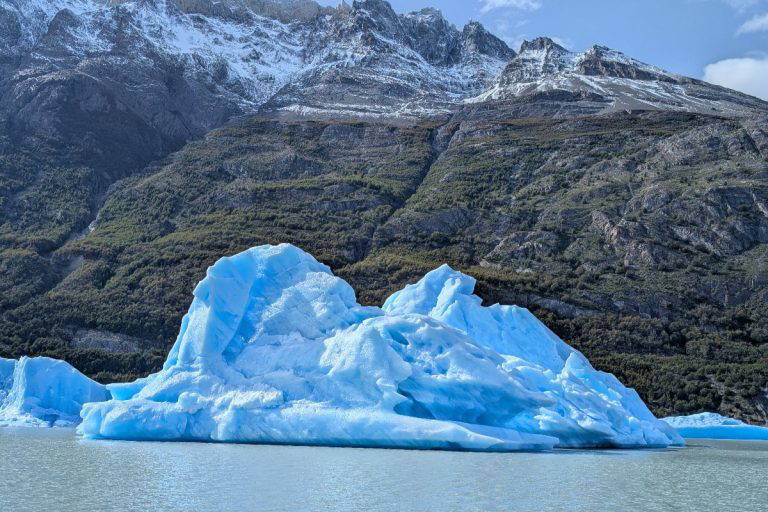
Paine Traverse Hike
3 days

Four-day W Trek – Camping
4 days

Four-day W Lodging
4 days

Snow Shoes Hiking
4 days

Lodge to Lodge Explorer
6 days

Winter W Hike
6 days

Lodge to Lodge Active
6 days
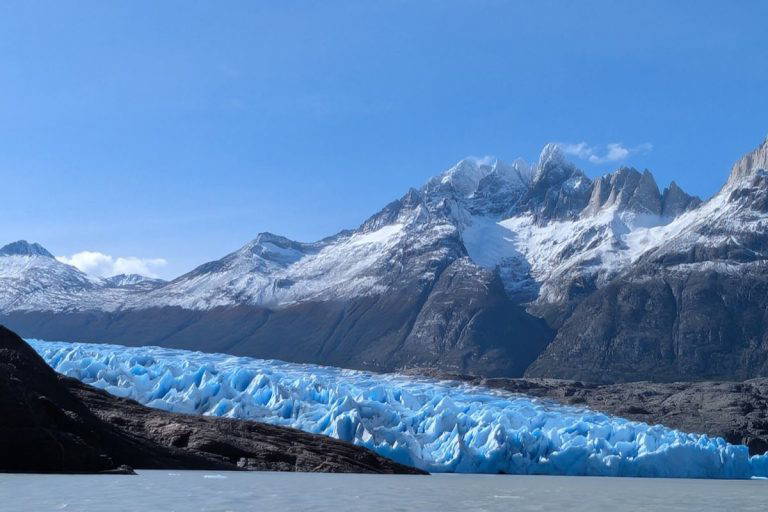
Torres del Paine Northern Glacier Hike
6 days

Multisport Bike and Kayak
6 days

The Wilderness Explorer Hike (W)
8 days
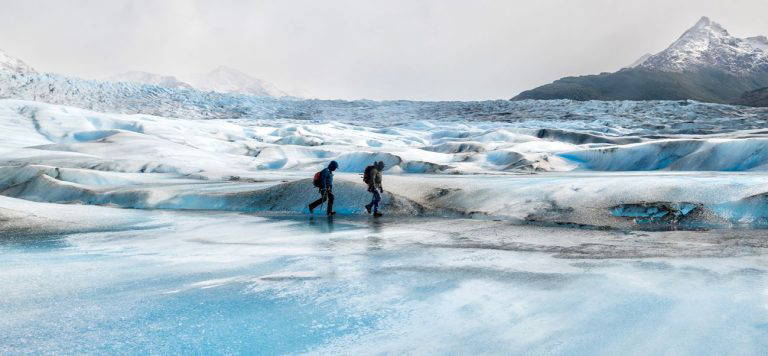
W Multisport Adventure
8 days

Boots to Bathrobes Circuit
8 days

Circuit Westward
8 days
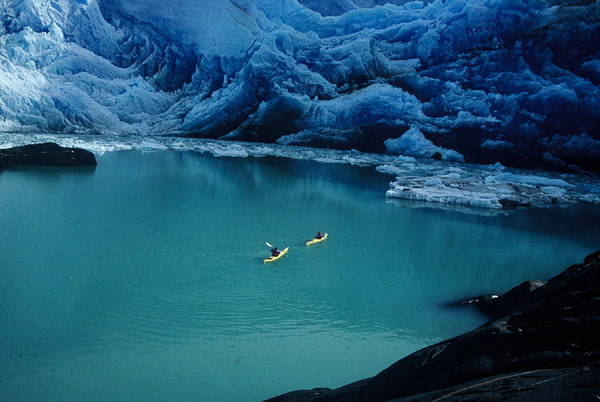
Blue Ice Trail
9 days

Circuit Explorer
9 days

Paine La Avanzada Circuit
10 days

Torres del Paine Circuit
10 days
Climate
Torres del Paine offers a more benign climate than the surrounding areas of Patagonia due to some unique geological features. The weather throughout Patagonia is however famously unpredictable and it is possible to experience four seasons in the course of a few hours. Average daily temperatures vary but in summer one can expect 10 – 20 degrees celsius with the occasional hot day of 25 degrees. Temperatures can drop to zero at night and high winds are common in the area. Sunblock is very important throughout Patagonia as ultraviolet radiation is higher than elsewhere in the country.
In winter, temperatures are cooler especially at night and there is the possibility of snowfall on the lower elevations. Winters generally experience less wind and wildlife can be more prevalent at this time of the year.
Although you can never be sure of how Paine will treat its guests, we ask that our guests are prepared (both mentally and physically) for unpredictable and sometimes challenging weather conditions at any time of the year and pack accordingly. Good waterproofs (top to toe) are essential when joining a camping or multi-day hiking, riding or kayaking trip.
Why entrust my Torres del Paine trip to BlueGreen Adventures?
We have been quietly operating fully supported, guided adventure and exploratory trips in and around the spectacular Torres del Paine National Park in southern Chile for over 25 years. Starting out in 1997 with our flagship Glacier Ride, we were the first local operator to introduce riders to the jaw droppingly beautiful scenery in southern Chile and especially Torres del Paine with our exciting and fast paced riding expeditions on fit Criollo horses.
With our ground-breaking itineraries, quality guides, professional service and years of experience our itineraries have evolved to include not just riding but a wealth of other travel experiences for families, couples, adventure seekers and explorers looking to visit this once in a lifetime destination in an authentic and sustainable way.
By supporting the local economy, together with our local partners, we offer experiences that positively impact the people and places we treasure. By booking with BlueGreen Adventures you are contributing positively to the region through which you will travel.
Accommodation
There is accommodation in and around Torres del Paine to suit every taste and budget. From practical, basic mountain refugios and campsites along the W and Circuit trails to secluded, architect designed lodges that punctuate the Patagonian landscapes, there is something for everyone.
As you benefit from our inside knowledge and experience in building your personal itinerary we ensure you are matched to the most suitable hotel in the most appropriate location to suit your price budget. This saves you time, effort and stress leaving you free to focus on the fun side of planning your once-in-a-lifetime trip.
With an office in southern Chile we maintain strong relationships with the hotels we deal with. We are constantly reviewing quality and service and we only recommend hotels we know offer high standards of care and attention.
As an experienced agent-operator we can tie together the elements of your trip organising the ground arrangements and transfers and advising on flights. If you want to combine a camping or active trip with a few nights in a luxury lodge, you can do so. If you want to reserve a ranch house exclusively for your family or travel group, we can do that – and provide a Chilean chef to prepare your meals. If you want to camp in remote settings and unplug from technology and beeping phones, we can arrange that.
Torres del Paine Facts
Treks
Most visitors hike either the Circuit or the W treks. The Circuit is around 150 km (93 miles) and the W Trek comes in at about 75 km (46.5 miles). We like to suggest a combination of these or a mix of trekking in the higher traffic W areas with hikes on the magnificent periphery where you will sample lonely trails and still witness epic scenery.
The Towers
The ‘Torres’ or Towers are the Park’s three spectacular granite spikes, the highest 2,900 metres. These dramatic peaks are part of the Cordillera del Paine. Others include Paine Grande at 3,050 metres and Los Cuernos (the Horns), which range from 2,200 to 2,600 metres.
Park History
The ‘Torres’ or Towers are the Park’s three spectacular granite spikes, the highest 2,900 metres. These dramatic peaks are part of the Cordillera del Paine. Others include Paine Grande at 3,050 metres and Los Cuernos (the Horns), which range from 2,200 to 2,600 metres.
Torres del Paine Meaning
‘Paine’ (pronounced ‘pie-nee’) is a Tehuelche Indian word meaning blue.
Crowded?
Gaining in popularity, Torres del Paine receives some 360,000 visitors a year. BlueGreen will help you get off the beaten path and onto less explored trails, where you can experience the park’s majestic solitude.
Wildlife in Torres del Paine
Torres del Paine National Park has many distinct ecosystems. Each contains widely different landscapes, which in turn sustain different flora and fauna, some found nowhere else on earth.
Guanaco
The protected guanaco, Patagonia’s largest land mammal, roams the plains in large breeding groups. Each group comprises a dominant male and a harem of females, each of which gives birth to one chulengo. They make for fascinating watching.
Puma
The Puma, sometimes called the panther, cougar or mountain lion, also inhabits Torres del Paine in fair numbers. This is the southern-most inhabitant of the 27 recognized puma subspecies and one of the largest. It inhabits huge territories encompassing up to 40 square miles of rocky slopes, forests and open plains. It is a solitary, nocturnal hunter, feeding on small mammals, guanacos and sometimes, sheep owned by local ranchers. It has also been known to attack young or injured horses.
Huemul Deer
The critically endangered huemul deer is known to breed in the south eastern sectors of the park. This small deer is the national symbol of Chile and CONAF considers its conservation a high priority. For this reason, they have closed the Pingo Trail to horses.
Foxes
Other mammals include the Patagonian Grey Fox. It feeds on hares, rodents and occasionally the leftovers of puma kills and can also be seen wandering the campsites in the park looking for scraps and unattended trash bags.
Andean Condor
Often seen gliding in the huge skies in search of carrion the Andean Condor (Vultur gryphus) flies as high as 15,000 feet and at speeds of up to 35 miles an hour. An unforgettable sight, the bird weighs in at 16 pounds, is four feet long and has a massive ten-foot wingspan. Finger-like feathers at the end of these huge wings make for precision flying.
Andean Condors nest in rock cavities high in the mountains. They are bald-headed and the male is black with some white on its wings and a fleshy red or black crest about four inches long. The female has no crest. Young condors have fluffy brown feathers.
Rhea
The largest bird in South America, the ostrich-like flightless Rhea is also frequently seen roaming the grasslands. Grey-brown and white in colour and fast runners, they are sometimes called South American Ostriches. These fascinating animals protect themselves by living in groups.
Custom Trips in Torres del Paine
BlueGreen Adventures will organise and run your tailor-made trip in Torres del Paine for groups of two or more Stuck for ideas? Here’s what some BlueGreen travellers have come up with.
- Experience life as a Patagonian cowboy before languishing in a Park hotel for a few days.
- Join one of our W hikes and follow up with a paddle in kayaks through the Bernardo O’Higgins National Park to Puerto Natales.
- Take the kids on a wildlife safari through the Park with nights under canvas, a dedicated camp-cook and days spent watching dancing guanacos and picking calafate berries.
- Combine a remote trek with camping at the spectacular Dickson Glacier with a few nights in an authentic and comfortable Patagonian Estancia.
- Cast your line into the abundant Serrano River to fish for salmon or trout before hiking out to the remote Pingo Valley and Glacier.
- Search for huemul and puma on a photo safari before leaving the Park on zodiacs.
- Extend your wilderness hiking with an exciting ice hike on Grey Glacier followed by a paddle around icebergs in kayaks.
- Combine challenging trekking for your hiking or university club with a cooking workshop, folklore music and a Patagonian rodeo
- Ride in to Torres del Paine from Cerro Castillo followed by a hike to the Towers, some fishing and finally a couple of days of yoga.
- Trek through snow on snow shoes before spending a couple of days photographing exotic wildlife under pink winter skies.
- Spend a few days disconnecting and unwinding in a dramatic ranch house exclusively for your group or family with just your cook and guide for company.
Riding Adventures in Torres del Paine
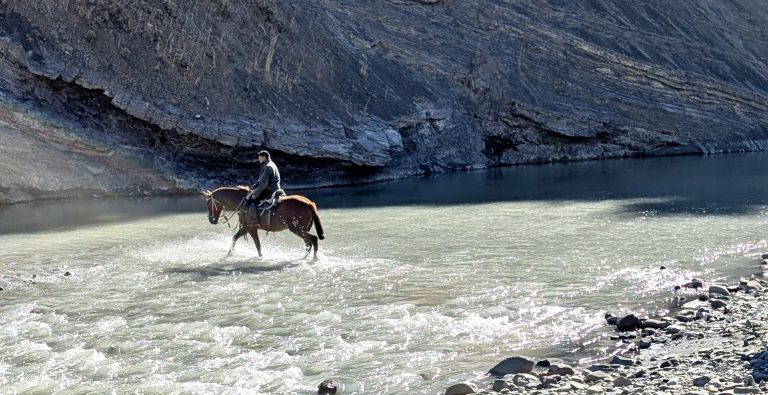
Paine Traverse Ride
3 days
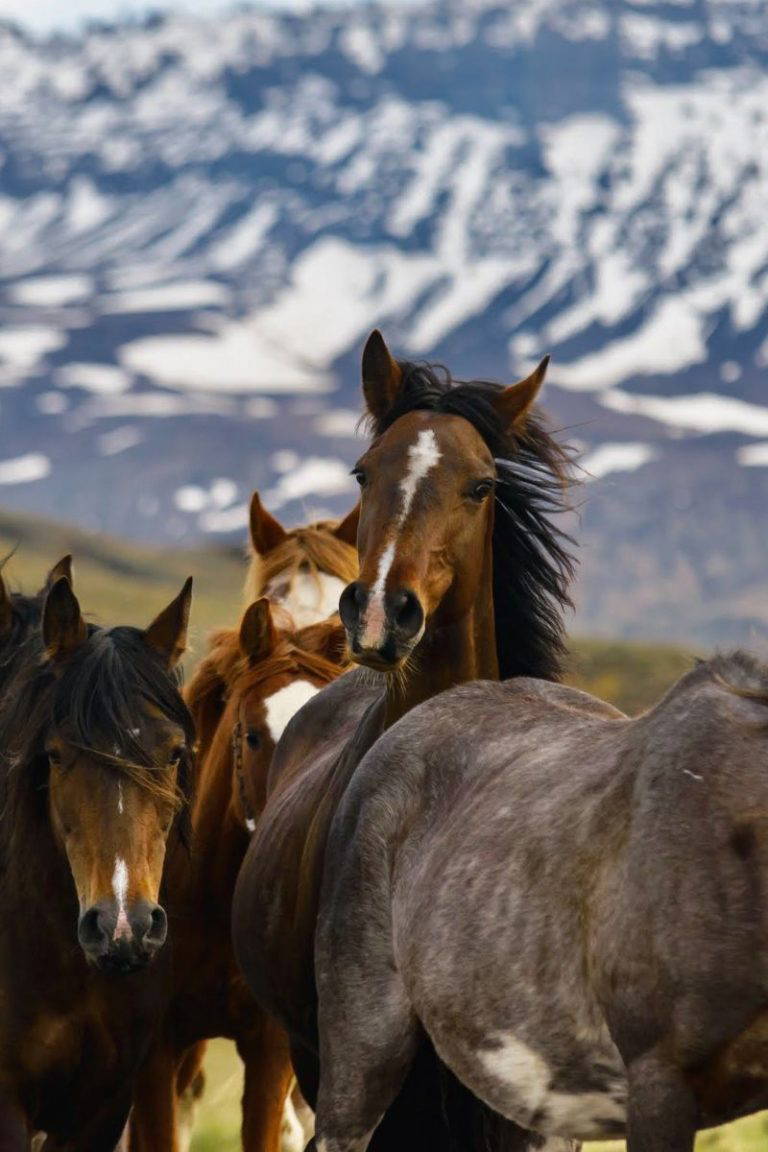
Icebergs, mountains and wild horses
5 days

Five-day Paine Explorer Ride
5 days

Five-day Glacier Ride
5 days

The Estancia Ride
7 days

Patagonia Wild Family
7 days

The Glacier Ride
8 days