
Useful Information
Trekking Adventures
Contact our team
Patagonia: adventure at the end of the world
To the first explorers Patagonia was a land of monsters, untamed and unknown. To the Victorians, the archetypal wilderness, a place at the end of the world where the restrictions of polite society could be escaped. Later writers cast it as a place of wanderers and exiles. Today, Patagonia remains a wild frontier, where travellers can step away from modern pressures and lose themselves in nature. For most, it is a once in a lifetime destination.
Settlers
At the time the first European settlers arrived by sea, the area was home to some 400,000 inhabitants. The main indigenous peoples were the Mapuche and Tehuelche. Described by some as the world’s first and greatest adventurers these people travelled to the end of the earth and survived by fishing in the oceans and hunting guanacos and rheas on the plains.
The Tehuelche were a tall, nomadic group that wandered the huge lands in search of fur and animal hide. The Mapuche, “people of the earth”, were warriors who displaced other tribes in areas further north around the Chilean and Argentine lake districts. Later they adapted well to a less nomadic lifestyle and turned to cultivating crops in the rich local soil. They fought off the conquistadors in the sixteenth century and were the last indigenous group in southern South America to be conquered.
When to visit
Most visitors come to Patagonia in the southern hemisphere summer between November and March. This is when the season is in full swing and all the services and accommodations are open. However the rest of the year should not be ruled out and we can arrange custom trips at any time of the year. Spring (September to October) can be a great time to take advantage of quiet trails, spring flowers and some fairly mild weather. Fall too (April to May) has the advantages of fewer people and, occasionally, less wind.
How to arrive
Patagonia straddles both Argentina and Chile. The gateway towns for southern Chilean Patagonia are either Punta Arenas or Puerto Natales depending on what areas you plan to visit, both have domestic airports receiving flights from Santiago and elsewhere in Chile. The gateway town for southern Argentine Patagonia is el Calafate, a domestic airport receiving flights from Buenos Aires and elsewhere in Argentina. It is possible to cross over between Chilean and Argentine Patagonia in the south by land via the regular bus services offered between Puerto Natales/Cerro Castillo and el Calafate. There are numerous land (and sometimes water) crossings between Chile and Argentina along the borders within Patagonia and further north, some of which can be incorporated into your itinerary as a useful means of cutting travel time and exploring a new area.
For northern Patagonia, other gateways exist, including Puerto Montt and Balmaceda among others. For Argentina, the main gateway to northern Patagonia is Bariloche.
It is important to remember that the distances in Patagonia can be immense and travel logistics can be complicated. It is an important part of the planning process to ensure your dream itinerary is not only exciting but realistic and that it aligns with your personal expectations and ‘travel tolerance’ for moving from one destination to another. Our first step is always to review your preferred destinations and timescales and discuss these with you in detail based on your personal priorities and expectations for the trip.
Winter in Patagonia
Winter is a beautiful time to travel to Patagonia and we offer trip options all year including some unique activities such as hiking across the snow in snow shoes and kayaking among the icebergs. Days are of course colder and shorter but the wildlife can be plentiful and the days crisp, clear and windless. Winter snow is common, especially on the higher elevations bringing snow-cloaked peaks in a magical winter landscape.
Geography
Most people agree that Patagonia comprises a diverse region south of Temuco in Chile and the Rio Negro in Argentina, occupying about a million square kilometres of South America. With coastlines stretching along both the Pacific and Atlantic oceans, it is home to immense empty grasslands, ancient forests, freshwater lakes, salmon-filled streams, fjords, glacial valleys, volcanoes and of course the jagged peaks of the Andes mountains, the longest and youngest mountain range in the world.
Weather
The weather throughout Patagonia is famously unpredictable and it is possible to experience four seasons in the course of a few hours. Average daily temperatures vary depending on how far south you are but in summer one can expect 10-20 degrees celsius with the occasional warmer day of 20+ degrees. Temperatures can drop at night and high winds are common in the area. Although you can never be sure of how Patagonia will treat its guests, we ask that you are prepared (both in your packing and your expectations) for unpredictable and sometimes challenging weather conditions.
Fact
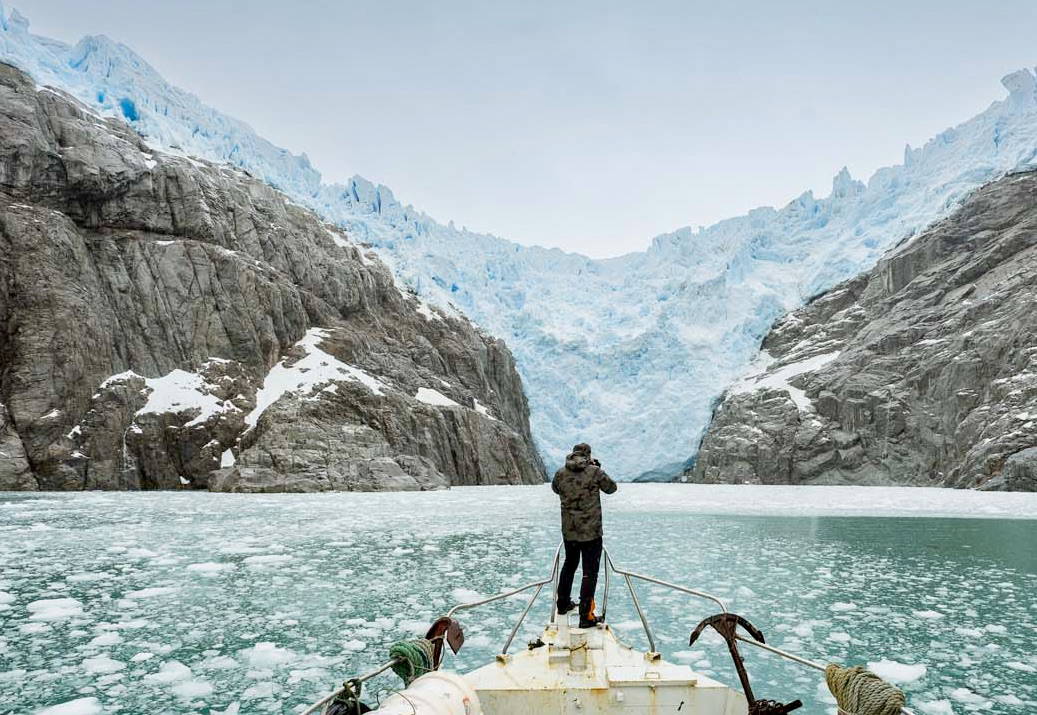
Patagonia is the ultimate wilderness
A beautiful, pristine and unpredictable part of our planet. With its rich and abundant biodiversity, fascinating culture and jaw dropping landscapes it is a place that everybody should visit at least once in their lifetime. It is best suited to lovers of the outdoors who are used to travel in remote areas and who have a keen sense of adventure and a flexible attitude. If this is you, the rewards are plentiful and the memories enduring.

Riding extension in Los Glaciares
3 days
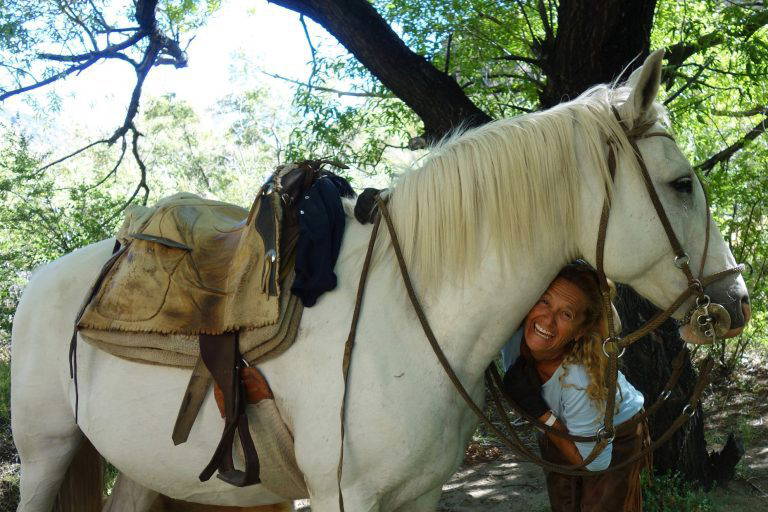
Glamping in Chubut Argentina
4 days

Five-day Paine Explorer Ride
5 days

Five-day Glacier Ride
5 days

VIP Riding Trip
6 days
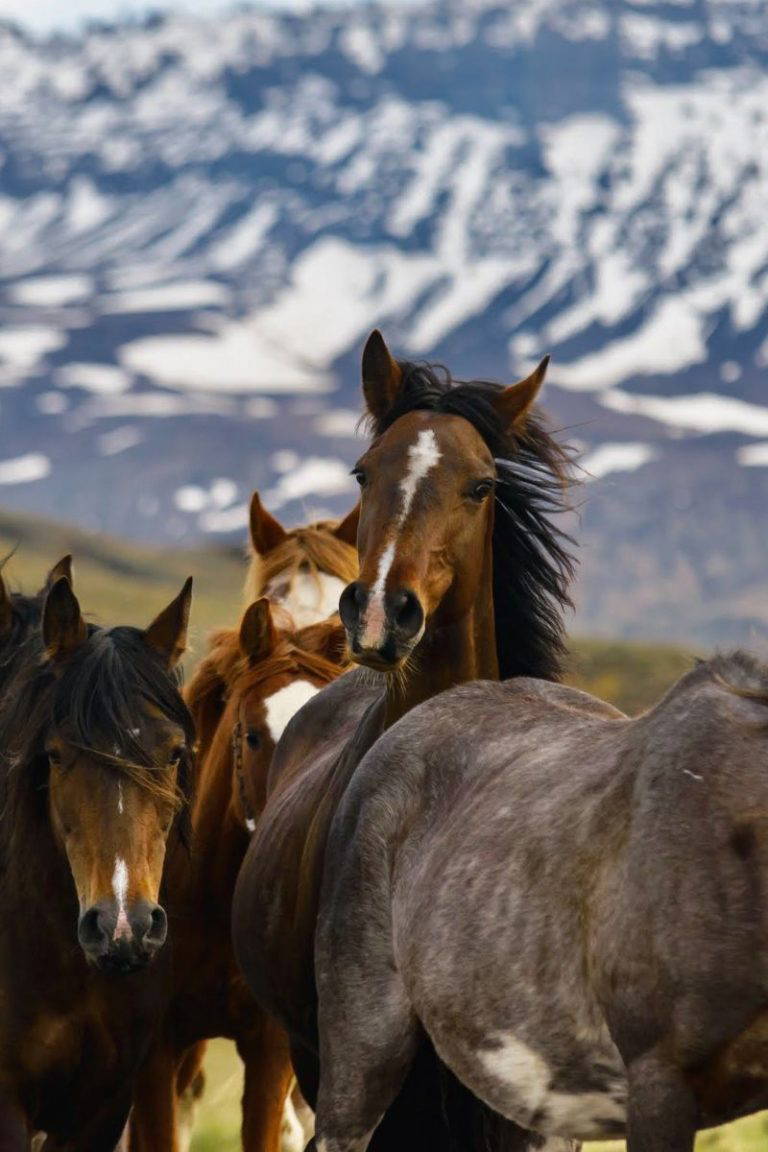
Wild Horse Round-up Ride
7 days

Patagonia Wild Family
7 days
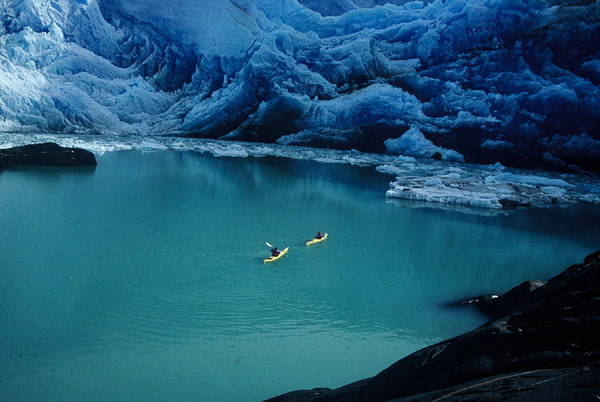
Blue Ice Trail
9 days

Alto Chubut Ride
9 days

The Estancia Ride
10 days

The Glacier Ride
10 days

Four-day W Trek – Camping
4 days

Four-day W Lodging
4 days

Snow Shoes Hiking
4 days

Los Glaciares Moreno Glacier Tour
5 days

Lodge to Lodge Explorer
6 days

Winter W Hike
6 days

Lodge to Lodge Active
6 days
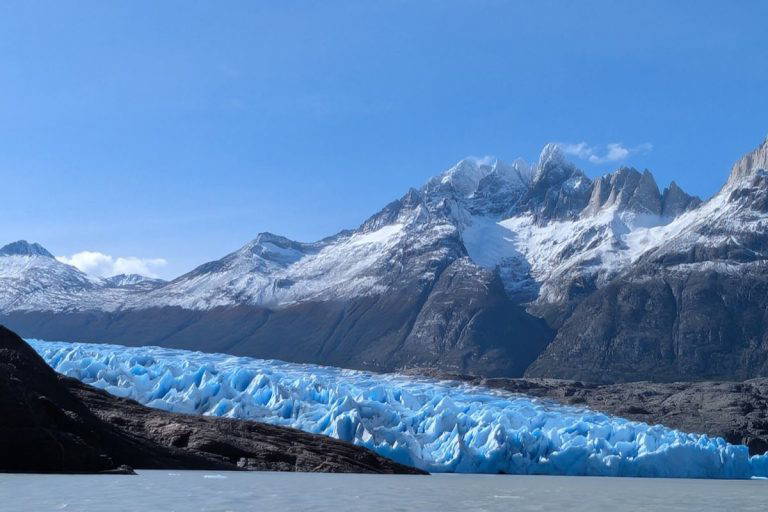
Torres del Paine Northern Glacier Hike
6 days

Multisport Bike and Kayak
6 days

The Wilderness Explorer Hike (W)
8 days
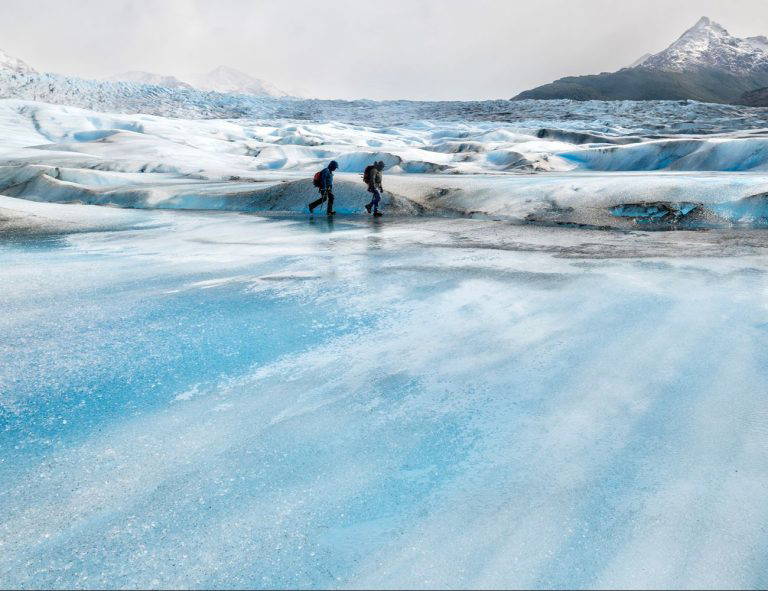
W Multisport Adventure
8 days

Boots to Bathrobes Circuit
8 days

Circuit Westward
8 days
Blue Ice Trail
9 days

Circuit Explorer
9 days

Paine La Avanzada Circuit
10 days

Torres del Paine Circuit
10 days
Family Adventures in Patagonia
Glamping in Chubut Argentina
4 days
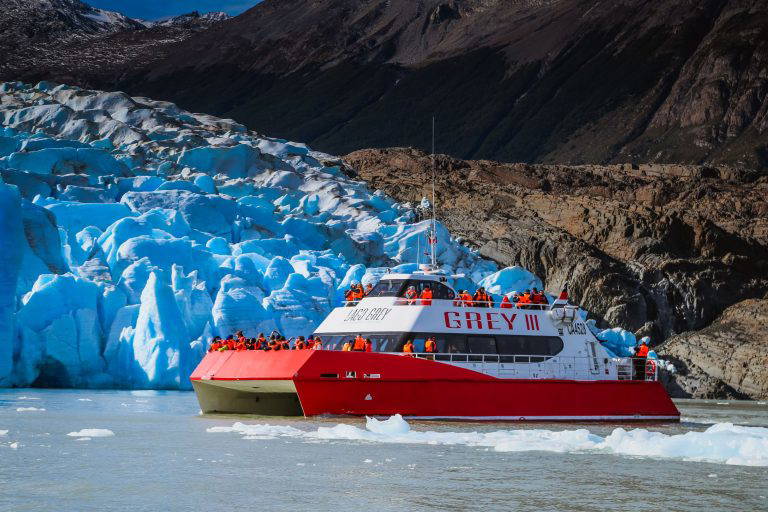
Flexible Family Explorer Torres del Paine
5 days
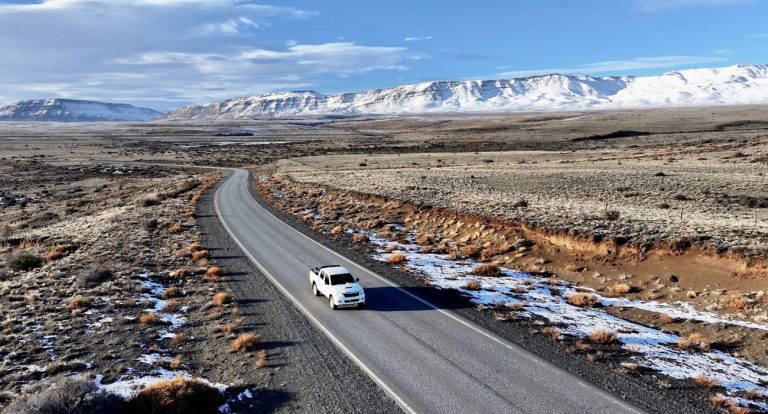
Los Glaciares Family Explorer
5 days
Patagonia Wild Family
7 days
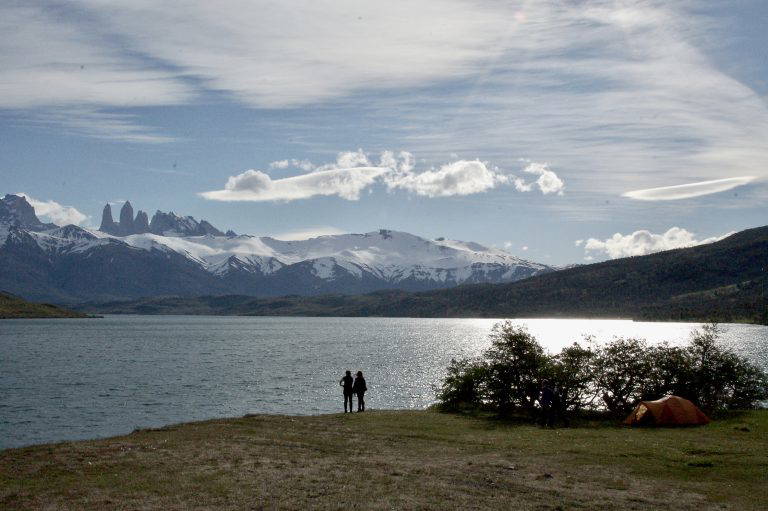
Active Family Unplugged
7 days
Family Multisport Adventure in Torres del Paine
7 days
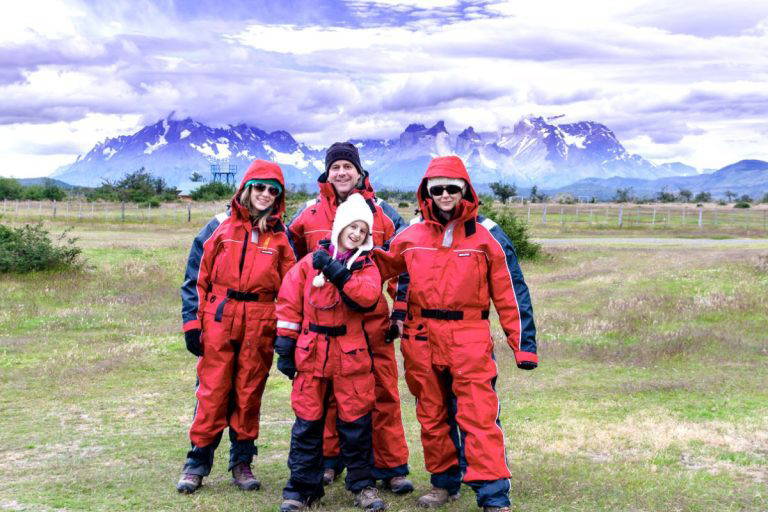
Flexible Family Fjords and Glaciers
8 days
